
Second Sunday of Ordinary Time
I am made glorious in the sight of the LORD, and my God is now my strength!

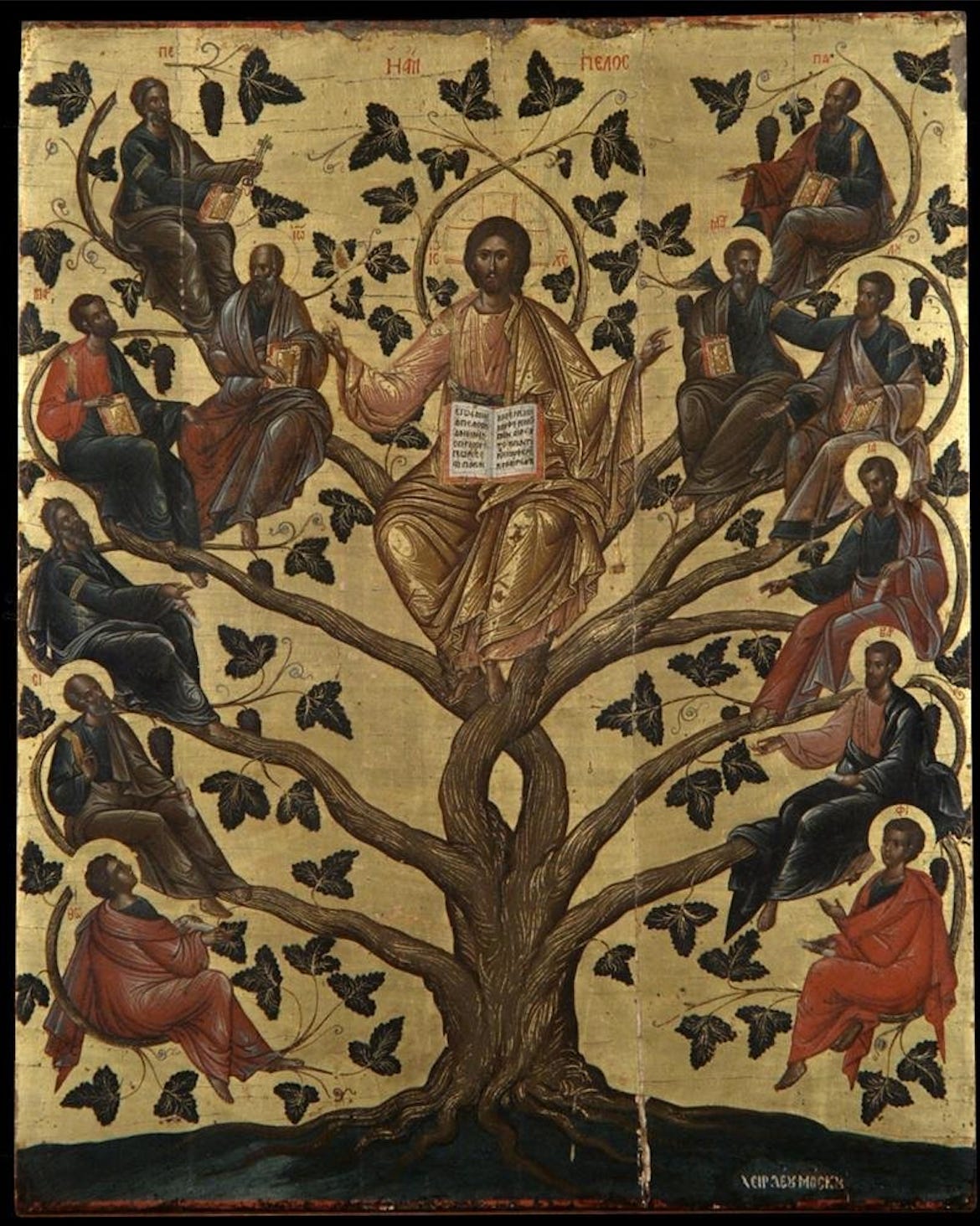
So, have you ever got this question? “Have you been saved?”
Catholics might reply a bit uncertainly here. So the next objection usually comes: “If you were to die today, are you sure you would go to heaven?”
At this point, Catholics show their cards: “I hope so.”
I hope so? Are you or aren’t you saved!? Without certainty, your hoping seems worthless. Either you know you are saved, that you are going to heaven, and you have peace, or you don’t know, and dread will stalk you all of your days.
Is it enough to know that Jesus died for me, to believe that he is Lord, to ask him for his mercy? Or is something more needed?
Of course, what this seems to skip over is that whole thing called holiness. Against this modern emphasis on feeling, on needing the subjective certainty that one is going to heaven, we can point to a very different concern in Scripture that is meant to occupy our thoughts.
In the Second Reading, St. Paul tells the Church at Corinth: “To the church of God…, to you who have been sanctified in Christ Jesus, called to be holy, grace to you and peace from God our Father and the Lord Jesus Christ.”
We find similar teachings throughout the New Testament:
“Work out your salvation with fear and trembling.” (Phil 2)
“Pursue peace with everyone, and the holiness without which no one will see the Lord.” (Heb 12)
“Do not be conformed to the desires that you formerly had. Instead, as he who called you is holy, be holy yourselves in all your conduct.” (1 Pet 1)
“Let us cleanse ourselves from every defilement of body and of spirit, making holiness perfect in the fear of God.” (2 Cor 7)
“Put away your former way of life, your old self, corrupt and deluded by its lusts, and be renewed in the spirit of your minds, and clothe yourselves with the new self, in true righteousness and holiness.” (Eph 4)
“For this is the will of God, your sanctification: that you abstain from fornication; controlling your own body in holiness and honor, not with lustful passion, like those who do not know God. For God did not call us to impurity but to holiness.” (1 Thes 4)
The Church has summarized all this quite succinctly, as the Catechism states: “All Christians in any state or walk of life are called to the fullness of Christian life and to the perfection of charity.” (CCC §2013)
Catholic doctrine reflects that teaching of Scripture that yes, in order to be justified in Christ, one must believe and be baptized: but justification is meant to be the beginning of a transformation, not a one-time event, just as Christ told us when he encouraged his listeners to take action: so be perfect, just as your heavenly Father is perfect.
Continual conversion, becoming what God has called us to be: just like those canonized saints we honor and recognize here in these windows, those who did not wait till later but became holy in this life.
We point out the saints, not to make us, the vast majority of whom are not yet saints, despair, but to be encouraged to action.
God the Father has called us to share his own divine life, to share in his happiness and joy and peace! And not just to maybe have it after death! As the saints show us: we can have it now, by God’s grace: for to him, all things are possible.
(And we can’t really put it off, anyway, right? Either be holy now by your own choice, or be made holy by the purifying fire of Purgatory, depending on your loved ones not to forget you and pray for you after you die. But either way, the point is the same, as Scripture makes clear: there’s no going to heaven without becoming holy.)
Back when I was teaching morality at DeMatha, after teaching them about the difference between grave and venial sin, my students would sometimes ask: Mr. Fish, how far can I go before it’s a mortal sin.
I think you’re missing the point, guys, I would say.
The point is, God’s grace is meant to change us and make us into something new.
We may not be saints yet: but we will only be happy inasmuch as we move closer to that goal today. And as the Church emphasizes in the witness of the saints: it is possible to live this way!
But still we might object: I’ve tried to be holy and it’s too hard. I can’t do it.
But of course, that’s a self-fulfilling prophecy. As St. Josemaría Escrivá said: “You say that you can’t do more? Could it not be that… you can’t do less?”
That is why we conclude the Christmas season every year with the celebration of the Baptism of Christ, just as we begin Ordinary Time following it. This is what the grace of God offers us: not just an impossible standard, but a force and power within us that, if we would say yes to it, will make us holy, by making us share in his life.
In the Gospel, these next few Sundays before Lent, we will hear what Jesus teaches in the Sermon on the Mount about that life.
And when Lent begins, we’ll get an even closer view of how Jesus practiced what he preached, as we contemplate the goal he himself pursued, as he made his journey toward Jerusalem, toward the cross, thereby teaching us the supreme lesson:
If we follow his way of holiness, the way he showed us by his passion and death: then by his grace and mercy, the life of Christ having been recapitulated in us, having become in him what God called us to be from the beginning, we will be saved.
The carnate Jesus spent an awful lot of his time helping people dealing with current events of his time to help the lives of others and not focused on himself. This is all focused on saving yourself and getting to the incarnate self. There is zero here about the works of Jesus Christ on earth. You might want to discern how we have people wearing a cross on their neck as they gas, beat, kidnap, incarcerate our fellow humans. I would say you need a bit more focus on leading a good life for the betterment of others.
As always, appreciate your insight. Thankful that we have the Church and the sacraments to help us achieve holiness because I need all the help I can get! Love the artwork that you always include.